Your cart is empty
The science that studies how time influences living beings and why your body does not work the same way all day long.
Chronobiology is the science that studies how time influences living beings. Our bodies do not work the same throughout the day. Sleep, energy, hunger, focus and even some hormones change according to natural rhythms.
Even though we cannot see them, we all have internal biological clocks that help coordinate much of our daily activity.
Chronobiology investigates how these clocks respond to sunlight, darkness, the seasons and the surrounding environment.
Many processes that seem random actually follow repeated and measurable patterns.
What it studies
Chronobiology is a scientific field that analyzes biological rhythms in people, animals and plants. Its goal is to understand how internal cycles work and how they affect behavior and the body.
Etymology
The word chronobiology comes from two ideas:
"The science that studies time inside living beings"
The human body has systems capable of measuring the passage of time. A small region in the brain coordinates different biological functions.
What it regulates
Synchronized vs. disrupted
| Synchronized | Disrupted |
|---|---|
| Better concentration | Fatigue |
| Better rest | Sleep changes |
| More stable energy | Lack of focus |
| A feeling of time misalignment |
One of the most important concepts in chronobiology is the circadian rhythm. This cycle lasts about 24 hours and regulates a large part of human functioning.
~24 hours
is the approximate duration of a full circadian cycle. It repeats day after day in a steady pattern.
What changes during the day
Light is one of the most important factors in chronobiology. Exposure to natural light helps synchronize biological clocks. Sunrise tells the body that a new phase of activity is beginning.
Morning natural light
Artificial light and screens
Strong artificial light and too much screen exposure at night can alter some of the body's time cues.
Chronobiology studies these effects and their impact on daily life.

Free Birth Chart
We reconstruct the astronomical map of the moment of your birth with exact planetary positions and advanced interpretation.
Get your free chartChronobiology also studies chronotypes. A chronotype describes the time of day when a person usually shows greater activity or performance. No chronotype is inherently better than another; each person may express different rhythms.
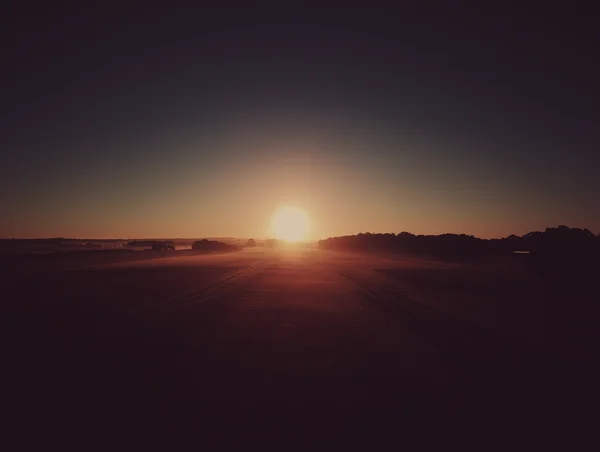
Higher energy in the morning. Performs best in the early hours of the day.
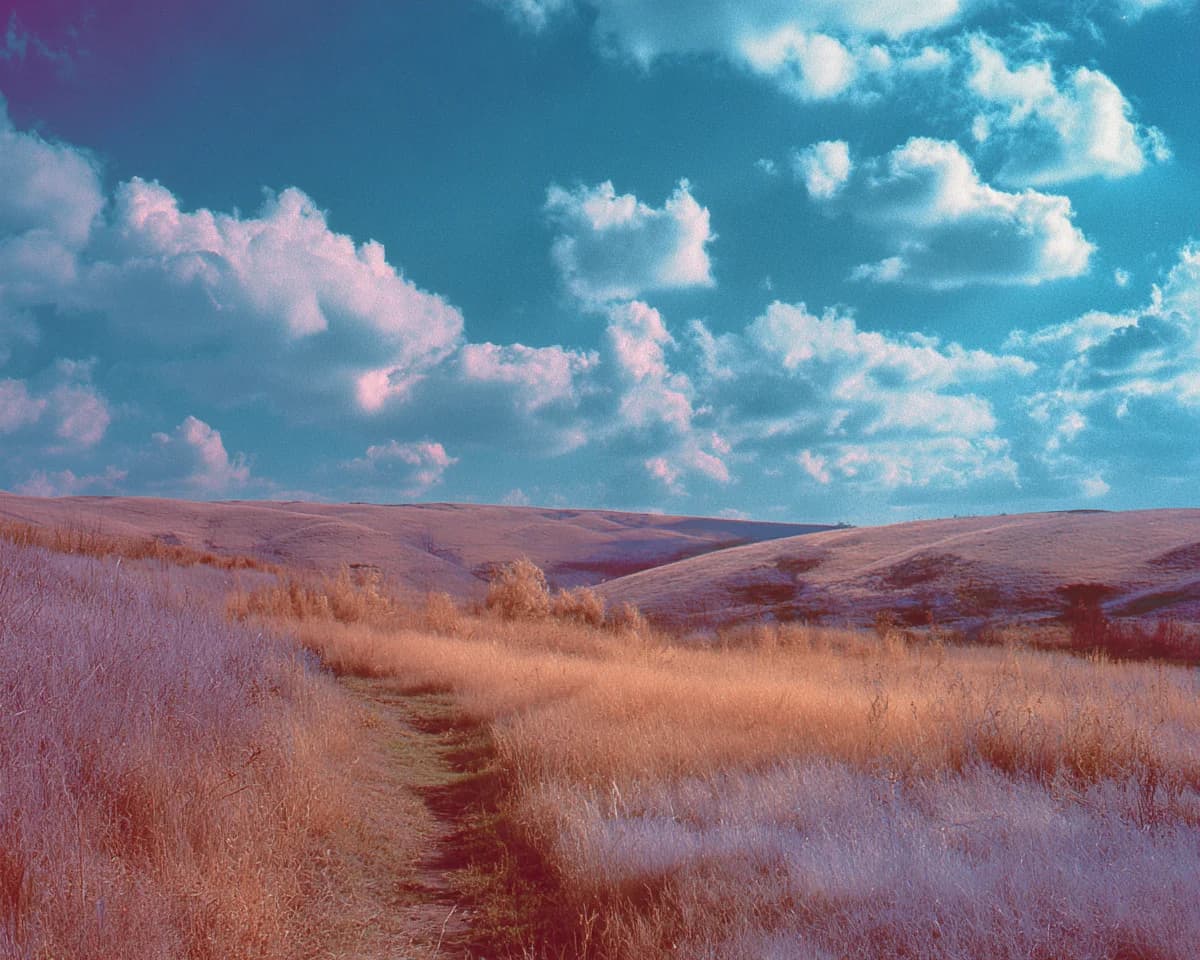
Balanced rhythm during the day, without extreme activity peaks.
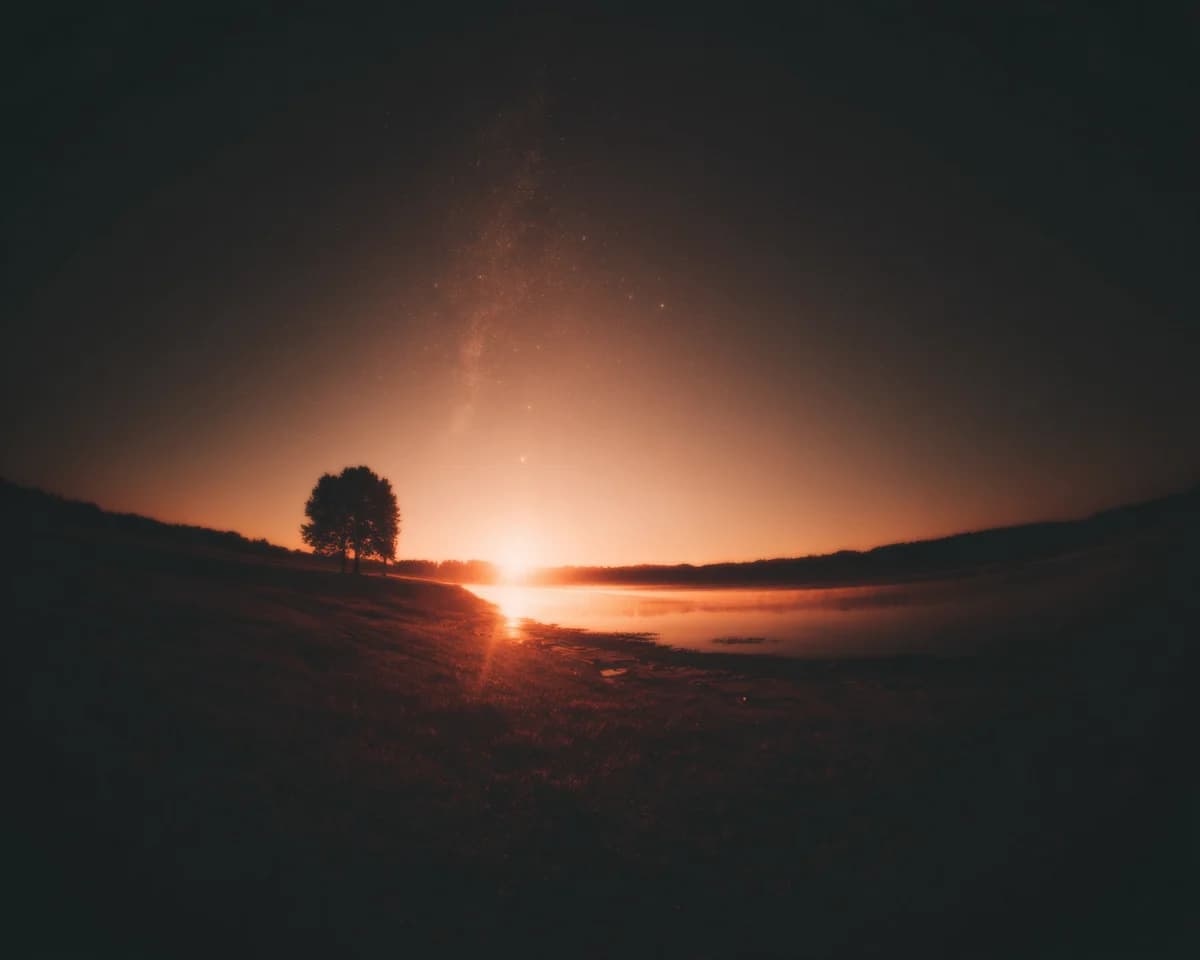
Greater activity in the afternoon or at night. Later performance window.
Chronobiology identifies different kinds of biological cycles. The body works through multiple coordinated clocks.
Circadian
~24 hours
Ultradian
< 24 hours
Infradian
> 24 hours
Its goal
Chronobiology does not try to predict the future. Its goal is to understand how time influences biology and how natural cycles shape the rhythm of our lives.
Chronobiology helps us understand that the body follows natural rhythms.
Every sunrise.
Every night.
Every season.
Our bodies receive constant signals from the environment.
Chronobiology studies the relationship between
Understanding these cycles can help us better understand how the body works and how it interacts with the world around it.
Free Birth Chart
We reconstruct the astronomical map of the moment of your birth with exact planetary positions and advanced interpretation.
Get your free chart
