
The Beast of Bodmin Moor: Myth or Reality
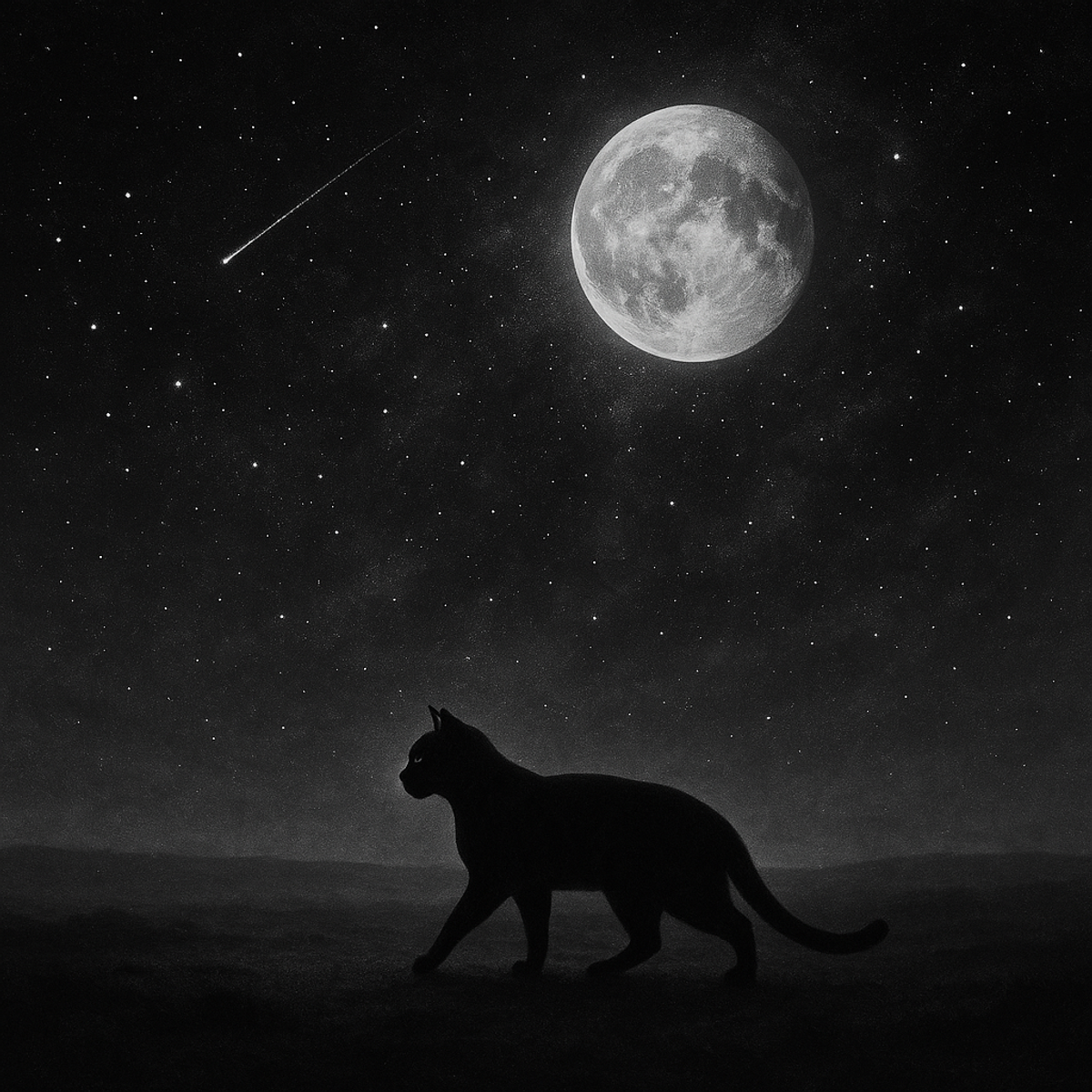
Explore the mystery surrounding the Beast of Bodmin Moor, a supposed large feline in England. Is it a real predator or just a product of collective imagination?
A mystery in the mist of Bodmin Moor
In the heart of Cornwall, England, lies Bodmin Moor, a vast landscape of hills and mystery. This place has been the setting for many stories, but none as intriguing as that of the Beast of Bodmin Moor. Since the 1970s, locals have reported sightings of a large feline lurking among the mist and moors.
Those who claim to have seen it describe the creature as a large cat, similar to a black panther or a puma, with dark fur and stealthy movements. Despite how spectacular and terrifying some of these accounts are, tangible evidence supporting the existence of this animal has been elusive, thus increasing the mystery and theories about its true nature.
Sightings and testimonies that fuel the legend
The phenomenon of the Beast of Bodmin Moor began in earnest in the 80s and 90s, when reports of livestock attacks and blurry photographs captured by rudimentary cameras brought the legend to life. Many local farmers have recounted close encounters, describing the Beast as a cunning predator that attacks livestock under the cover of darkness.
These testimonies have been persistent and varied, with some witnesses claiming to have seen cubs of the Beast, fueling the theory that there is not just one cat, but a small population of large felines living hidden. However, these accounts have been difficult to verify conclusively, leaving much room for skepticism and imagination.
The search for concrete evidence
Over the years, various investigations have been conducted to unravel the mystery of the Beast of Bodmin Moor. In 1995, the British government commissioned a study that concluded there was no evidence of large felines in the area, although the lack of evidence does not necessarily refute the existence of such creatures; it simply means they are exceptionally good at evading detection.
Moreover, livestock carcasses have often been found in circumstances suggesting predator attacks, but so far, analyses have been unable to provide conclusive DNA from exotic felines. This absence of concrete evidence has led some to speculate that perhaps these attacks are the work of wild dogs or other native predators.
A phenomenon of collective illusion
Some experts in psychology and folklore suggest that the Beast of Bodmin Moor could be a case of collective illusion, a phenomenon where a group of people share false perceptions or beliefs. In remote rural areas, where nights are long and imagination can easily be stirred, it is plausible that rumors of a large feline could be amplified in the public consciousness.
This type of phenomenon is not new in the UK, where other mysterious entities like the Loch Ness Monster have captured popular imagination for decades. The combination of visual testimonies, oral accounts, and a historical background rich in myths fuels the possibility that the Beast is more a product of the mind than of reality.
The mystery remains unsolved
To this day, the enigma of the Beast of Bodmin Moor remains unsolved. The legends continue to intrigue and spur the curiosity of both residents and tourists. This place, with its vast expanse of wild nature and atmosphere laden with mystery, remains an ideal backdrop for one of England's most fascinating unsolved mysteries.
Perhaps we will never know if the Beast truly lurks in the shadows of Bodmin Moor or if it is simply a shared illusion by those who wish to add a bit of fascination to their daily lives. Either way, the myth lives on, as a testament to the power of stories and the constant human longing for the inexplicable.

Free Birth Chart
Discover the sky that existed when you were born
We reconstruct the astronomical map of the moment of your birth with exact planetary positions and advanced interpretation.
Get your free chart