
Chupacabra: From Rural Myth to Universal Legend
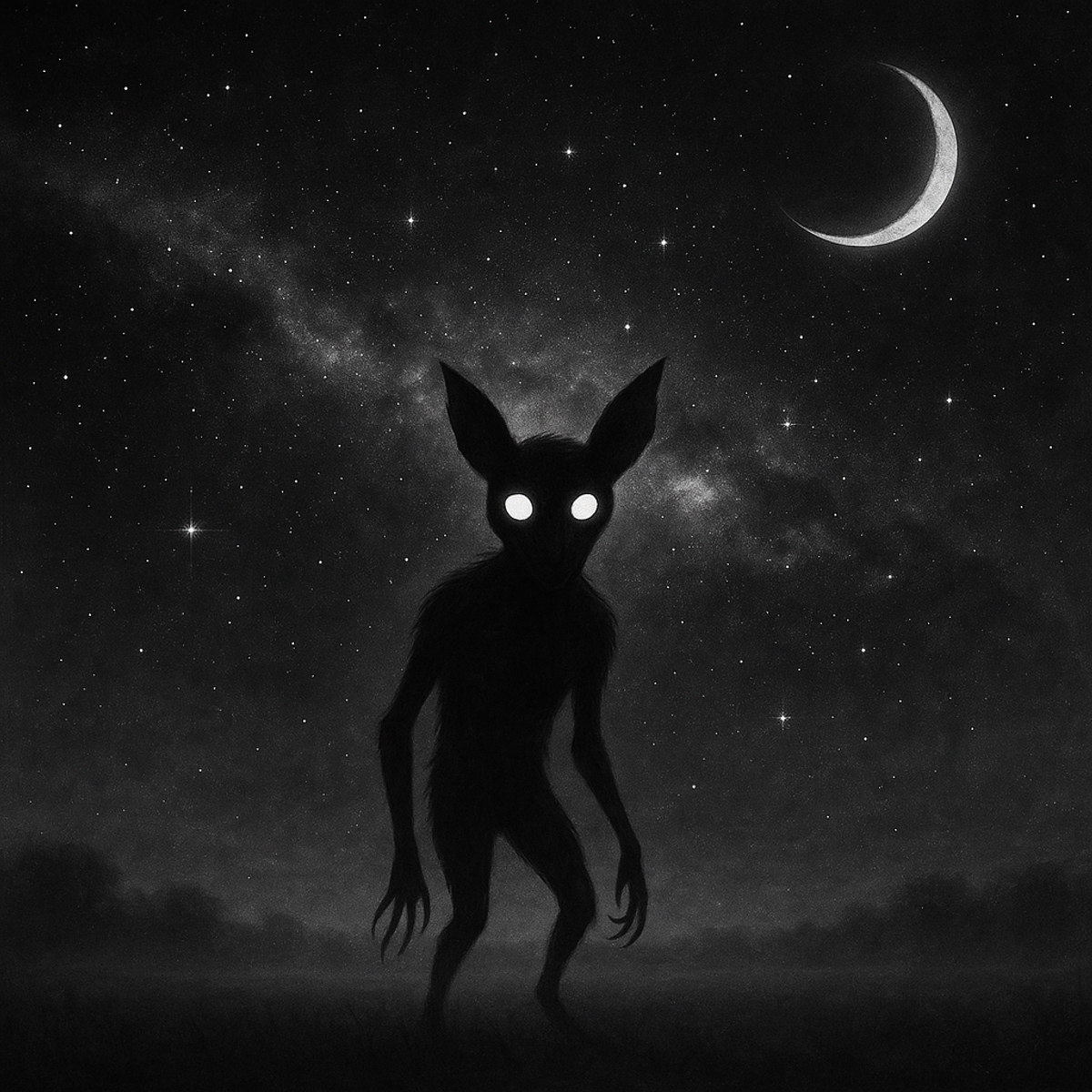
Explore the enigmatic story of the Chupacabra, how it emerged from rural oral tradition and became a globally known legendary phenomenon.
The Birth of the Chupacabra
The Chupacabra, a creature that has captured the imagination of millions, emerged in the 1990s in Puerto Rico. The first mention of this mysterious entity dates back to reports of livestock found dead with inexplicable wounds. Among the initial accounts, locals described a being that left its prey without a drop of blood.
This myth quickly spread beyond Puerto Rican borders. Its name, derived from Spanish, literally means "goat sucker." The description of the Chupacabra varies from region to region; some depict it as a reptile with spikes and glowing red eyes, while others as a creature similar to a wild dog.
From Local Fear to Global Attenuation
The fear and fascination with the unknown soon fueled the flames of this rural myth, turning it into a global phenomenon. With the media and growing global connectivity, what began as regional horror tales transformed into an international urban legend.
For many, the Chupacabra became a metaphor for rural fear of the inexplicable, tapping into common anxieties about natural predators and the human drive to make sense of the inexplicable. It was inevitable that this primal fear would attract global attention, allowing the Chupacabra to cross linguistic and cultural borders with ease.
Sightings and Mythical Encounters
The Chupacabra phenomenon gained more traction as reports of sightings emerged in Latin America and eventually in parts of the United States. Each account seemed to intensify the mystery surrounding this creature: witnesses claimed to have seen its luminous eyes at night or felt its presence in the silent darkness of the night countryside.
Despite the lack of invaluable physical evidence, the narrative of the Chupacabra continued to grow, fueled by speculation and stories circulating through rural communities and urban environments. Like any good legend, each new piece of information only added layers to the mystery.
The Chupacabra in Popular Culture
The Chupacabra did not remain just in local anecdotes; it has woven its presence into popular culture through various forms of media. Television shows, movies, and documentaries have attempted to decipher the myth, presenting both rational theories and more supernatural explanations.
Its image is exploited in the media as an icon of modern folklore, symbolizing both the fascination with the paranormal and the insatiable allure of unsolved mysteries. These representations have helped solidify the Chupacabra as a legendary figure worthy of study and observation in the cultural zeitgeist.
Reality vs. Fiction: The Explanatory Theories
Behind the myth of the Chupacabra lie theories that range from plausible to fantastic. Some scientists suggest that the phenomenon could be due to sick coyotes or other predators, whose unusual appearance might plant the seed of the myth of the mysterious blood-sucking creature.
Beyond scientific speculations, the Chupacabra has captured public interest precisely because it resides between reality and fiction. It represents a blend of human fears and unknowns. Whether as a remnant of stories to scare children or a warning about encounters with the unexpected, the Chupacabra remains a fascinating example of how myths can become legends.

Free Birth Chart
Discover the sky that existed when you were born
We reconstruct the astronomical map of the moment of your birth with exact planetary positions and advanced interpretation.
Get your free chart